[Tales Of Wakana Play Log #1] Clearing the Demo's Underground Stage — Slime Boss Fight and Surprisingly Solid Pixel-Art Action
Tales Of Wakana demo play log #1. Cleared the underground stage in about 30 minutes — fought through the slime boss, figured out a basic talent build, took on a mystery boss, grabbed an axe, and reached the Adventurer's Camp.
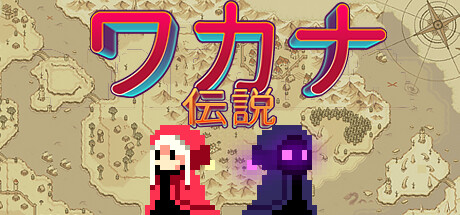
Picking Up Mid-Run in the Tales Of Wakana Demo
This is Play Log #1 for Tales Of Wakana, a fairy-tale fantasy 2D action RPG. I played through the demo and recorded everything from the underground stage up to arriving at the Adventurer's Camp — about 30 minutes of playtime.
Note: I lost the recording from the very beginning, so this log starts partway through, from the "gathering materials to craft a weapon" section. Apologies for jumping in mid-story.
What is Tales Of Wakana?
Tales Of Wakana is a 2D fantasy action game set in a storybook world. You switch between ice, lightning, and wind magic to fight 120+ types of monsters and challenge 27 bosses. The game packs in a surprising variety of gameplay modes — puzzles, tower defense, racing, and more. For a full overview, check out the review article below.
What's in This Log
- Pixel art & animation: Surprisingly polished character movement
- Japanese localization quirks: Rough translation, but Japanese pop culture references are weirdly accurate
- Underground exploration: Map fragments, HP/MP upgrades, dealing with flying enemies
- Slime boss fight: Took some hits before figuring it out
- Talent builds: Going offense-first early on
- Wall-jump & bomb mechanics: The platforming gets trickier
- Mystery boss (face-shaped slime?): Multiple attack patterns and a wall-stun tactic
- Axe unlocked + Adventurer's Camp: Checking out upgrades and the shop
The Pixel Art and Action Animations Are Genuinely Good
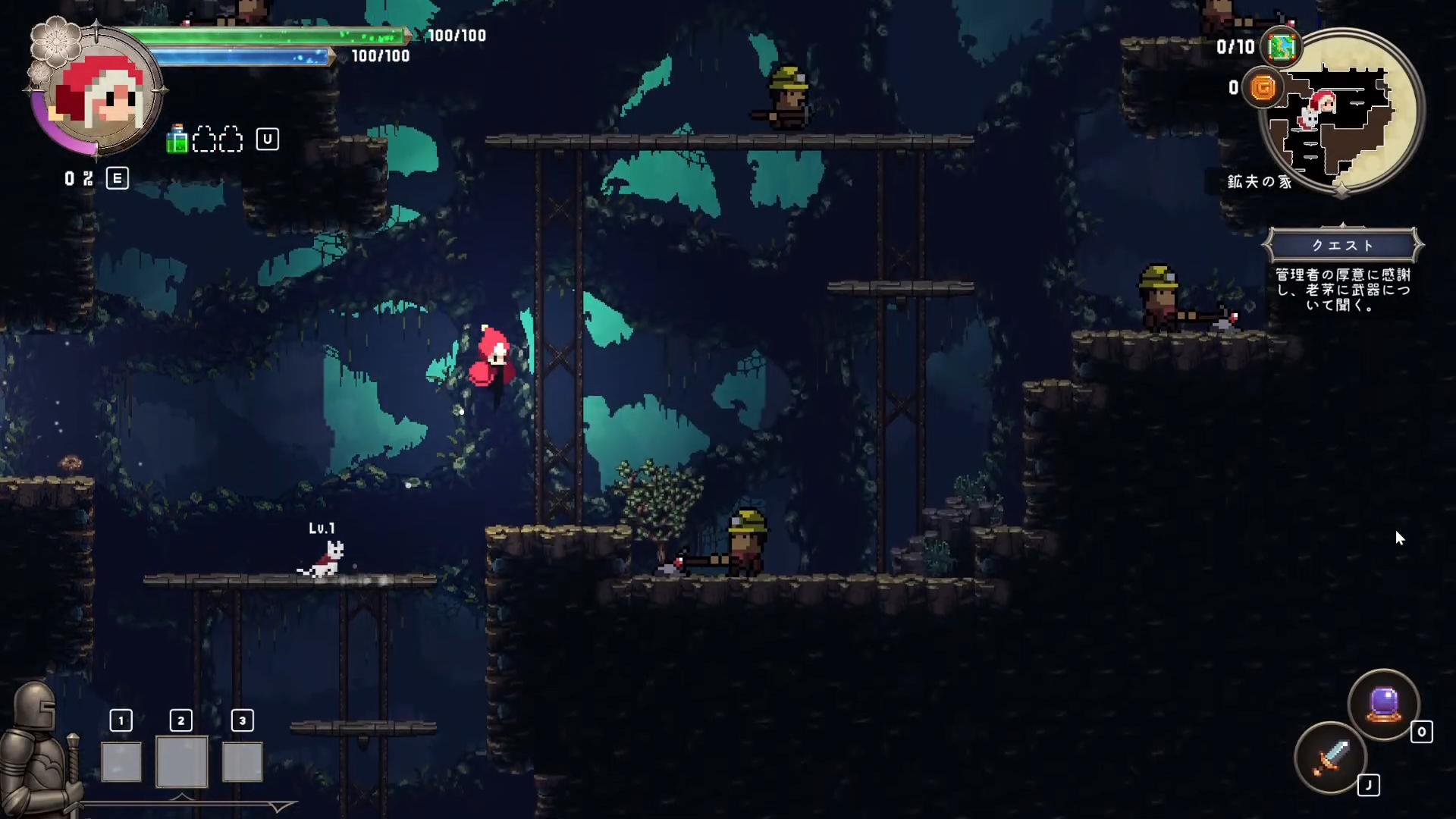
First impression: the pixel art quality is higher than I expected.
The player character has distinct animations for jumping, wall contact, and each attack — small details that show real care went into the action side of the game. NPCs and enemies are simpler by comparison, which makes the priority pretty clear: making the action feel good comes first.
The Japanese Localization Is Rough, but the Pop Culture References Are Oddly Precise
The Japanese localization has some personality, to put it diplomatically.
Dialogue tone shifts from line to line, and some of it reads like machine translation. Reading the story closely in Japanese is a bit of a stretch at this stage.
That said, Japanese pop culture references land with surprising accuracy. There are nods to Pokémon and Pikachu, dialogue that feels straight out of Dandadan, casual net-slang dropped in naturally, and dark jokes that somehow work. It's a strange mix of rough-and-ready translation alongside very specific otaku knowledge.
One character is introduced as a "cousin," but the context makes them look more like a sibling — the exact relationship is unconfirmed.
Exploring the Underground Stage — Map Fragments and Stat Upgrades
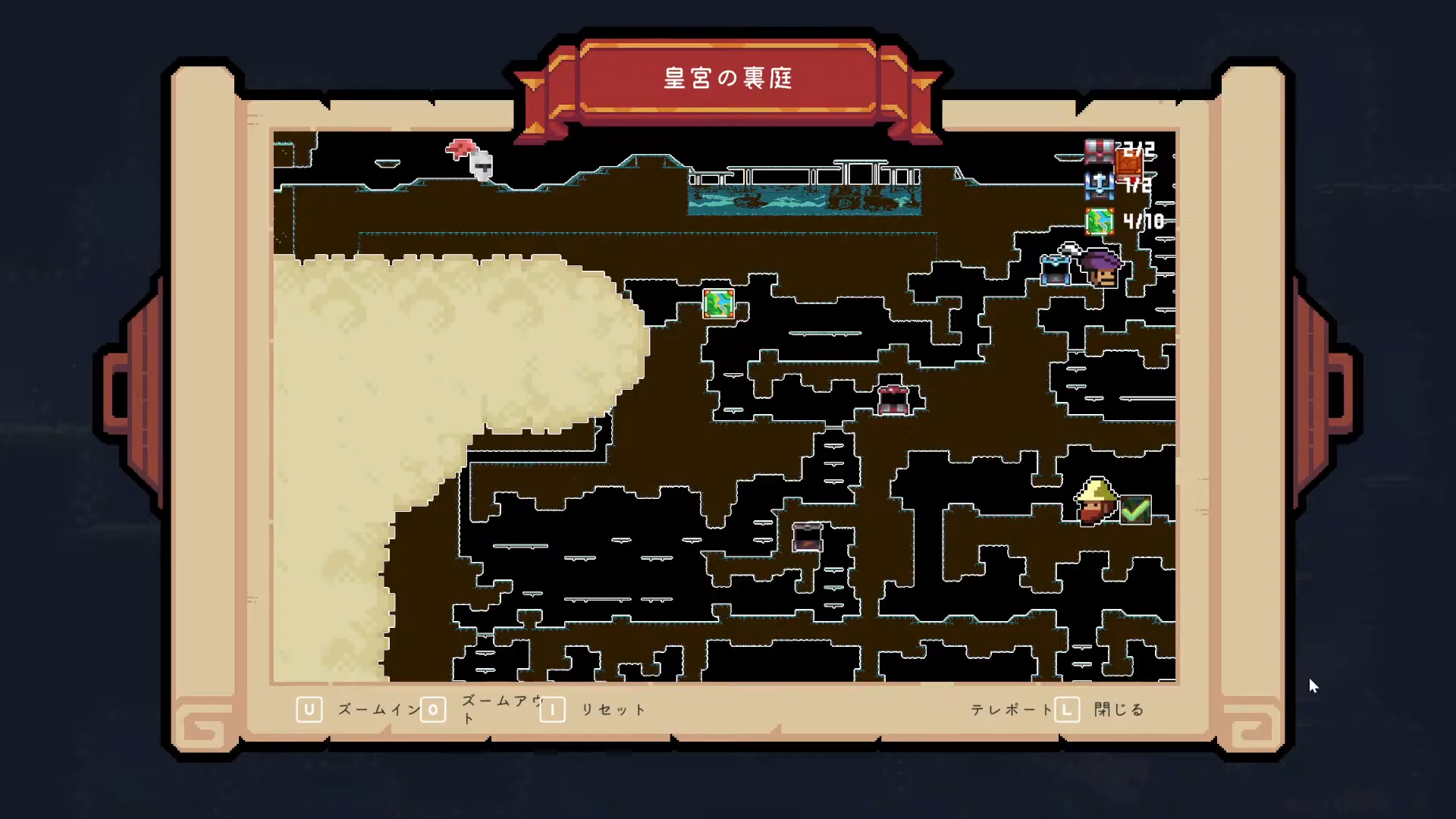
The log picks up in what looks like an underground dungeon stage.
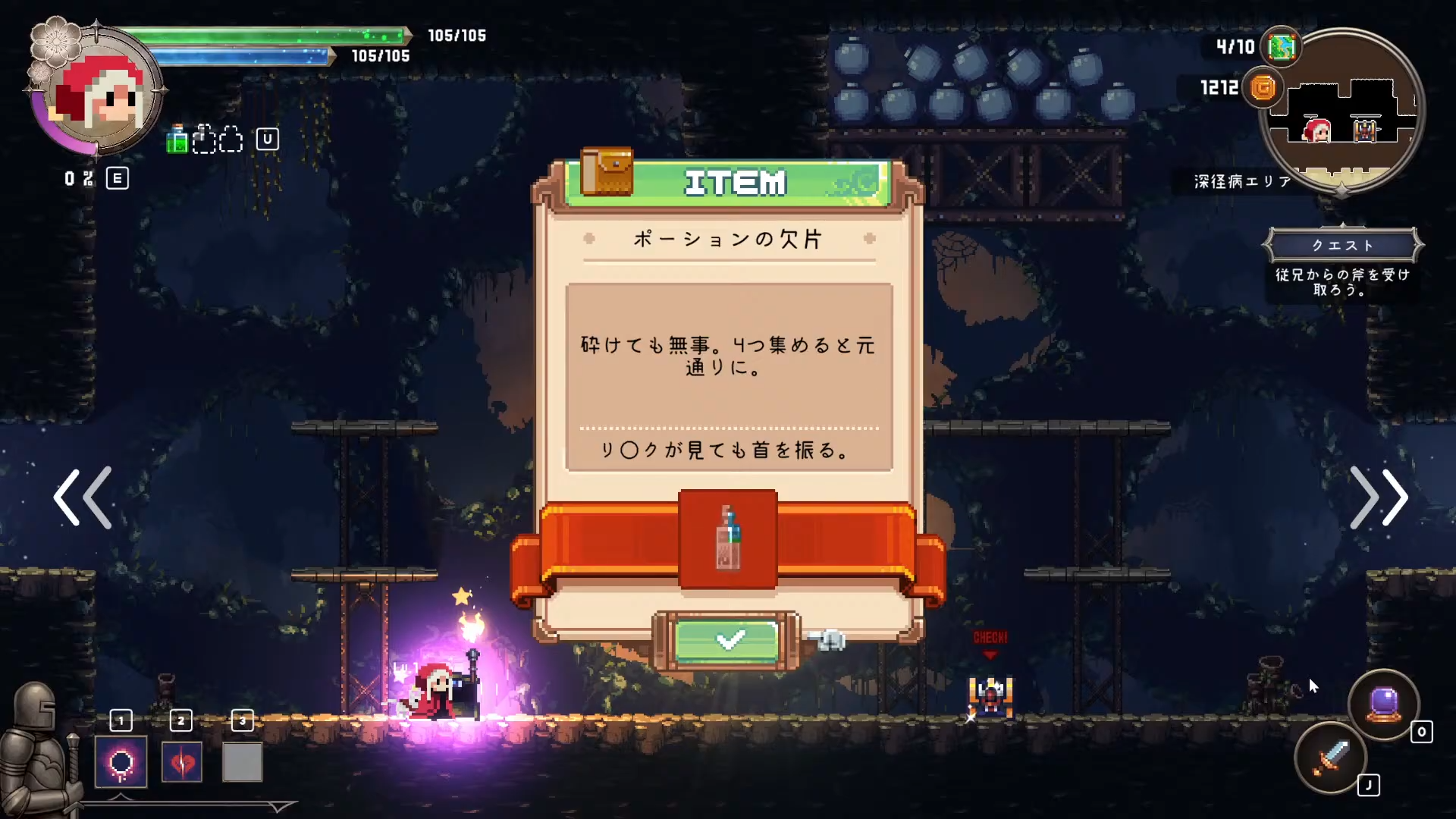
Scattered throughout the map are Map Fragments — collecting them apparently unlocks a Challenge Mode (based on my playthrough; unconfirmed). There are also items that look like HP and MP upgrades, so make sure to grab them as you go.
Some areas are blocked off, giving the impression there's backtracking involved later.
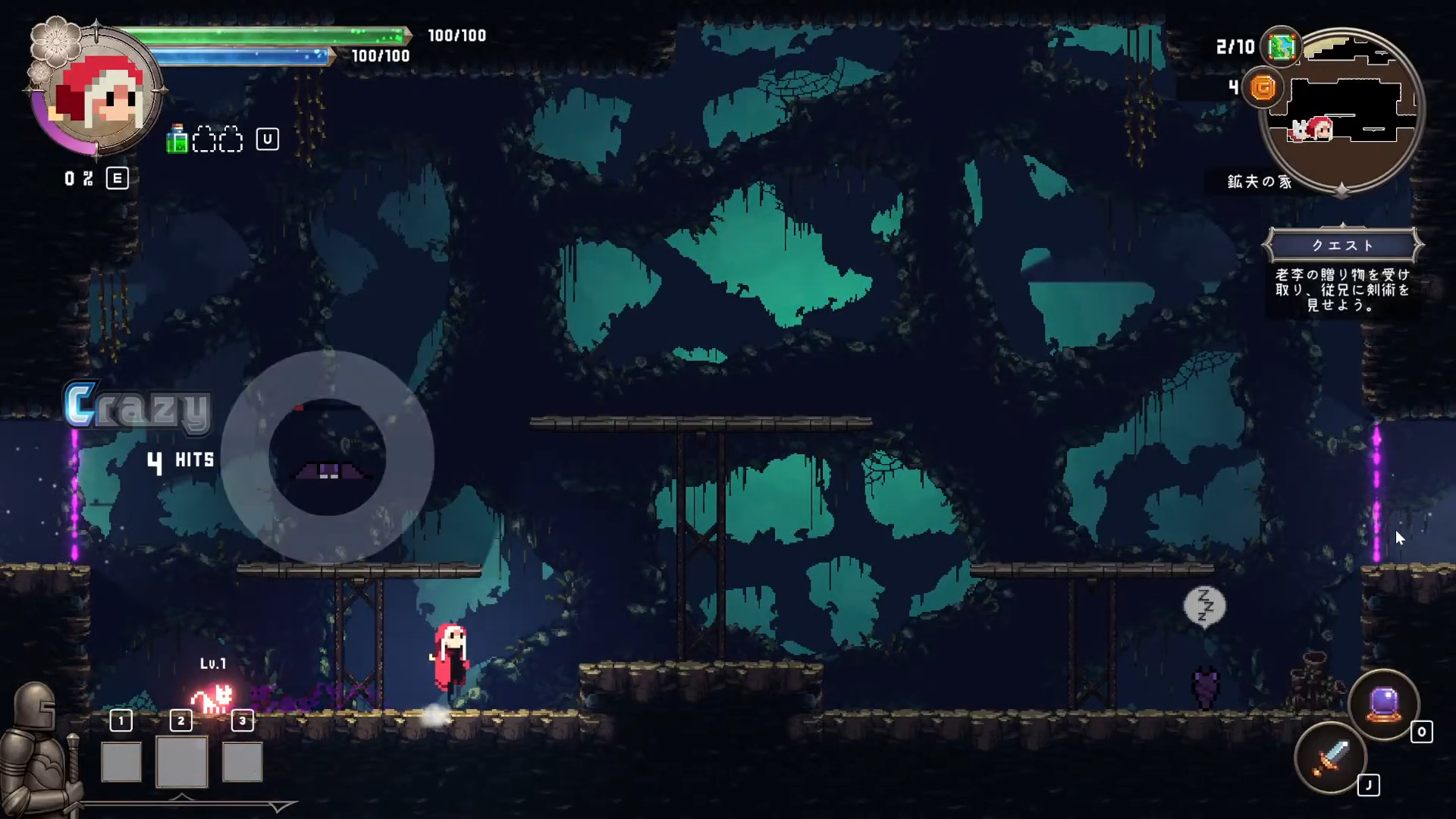
Enemies are annoying in low-key ways. The worst offenders are bat-type enemies that float in the air and are hard to hit — the vertical attack range feels extremely limited. Magic or ranged attacks are the way to go for airborne targets.
Bomb-based mechanics and enemies also show up here. Worth getting a feel for how they work, since they become more important later.
Slime Boss Fight — More Than I Expected from a First Boss
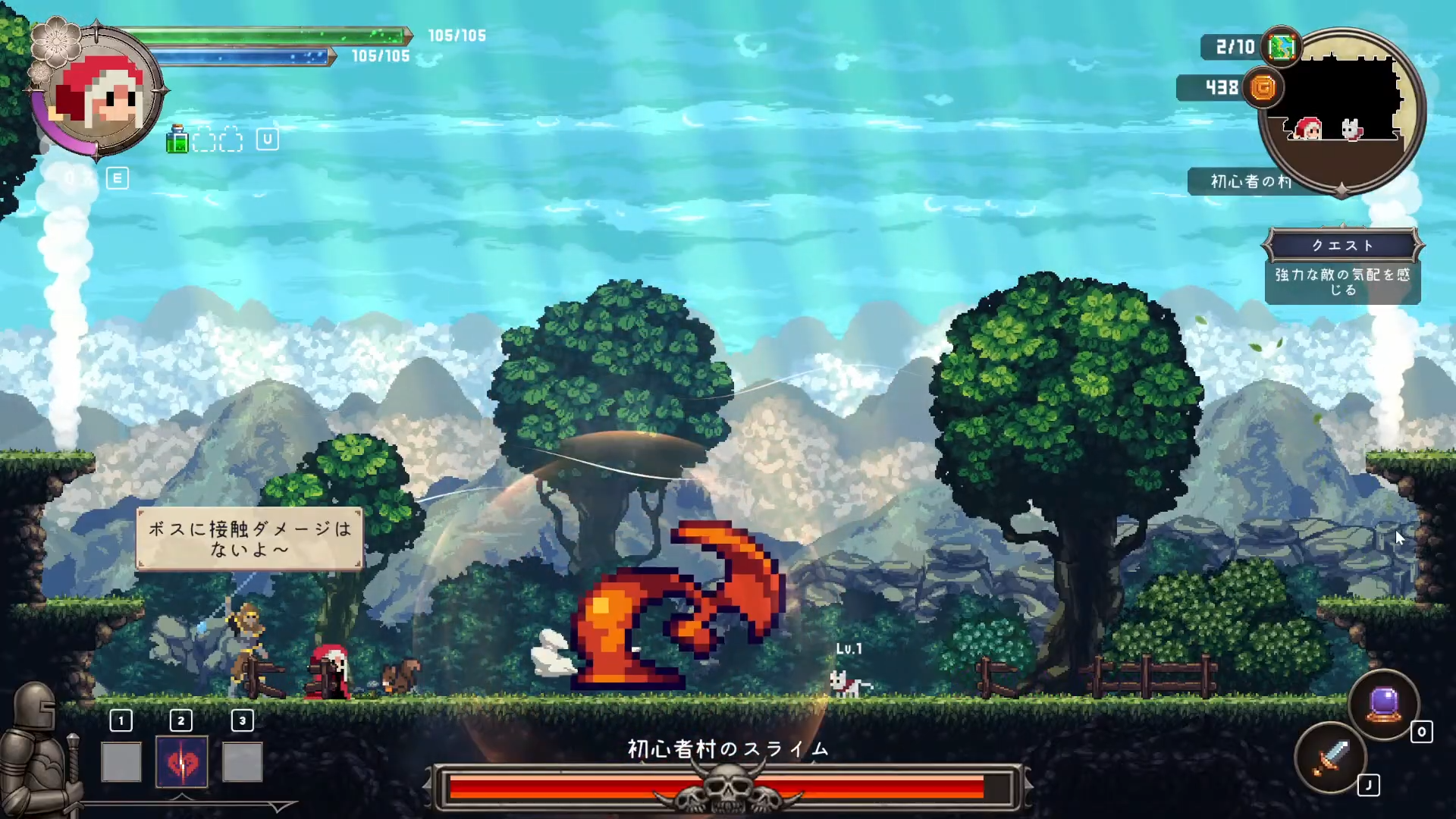
The underground stage boss is a giant slime.
I figured it'd be easy. It wasn't. It grows to an impressive size and hits hard.
Main attack patterns: a rolling wheel attack and a drop from above. Both deal solid damage, and keyboard controls make this noticeably harder. Controller is probably the way to go (I got stuck here for a while on keyboard).
The key: wait for the drop animation, then dodge. Trying to anticipate it early tends to get you hit. At least that's how it felt.
After the fight I received a glowing star-type item — probably related to magic or talents, but the exact effect is unconfirmed.
Talent Upgrades — Going Offense First
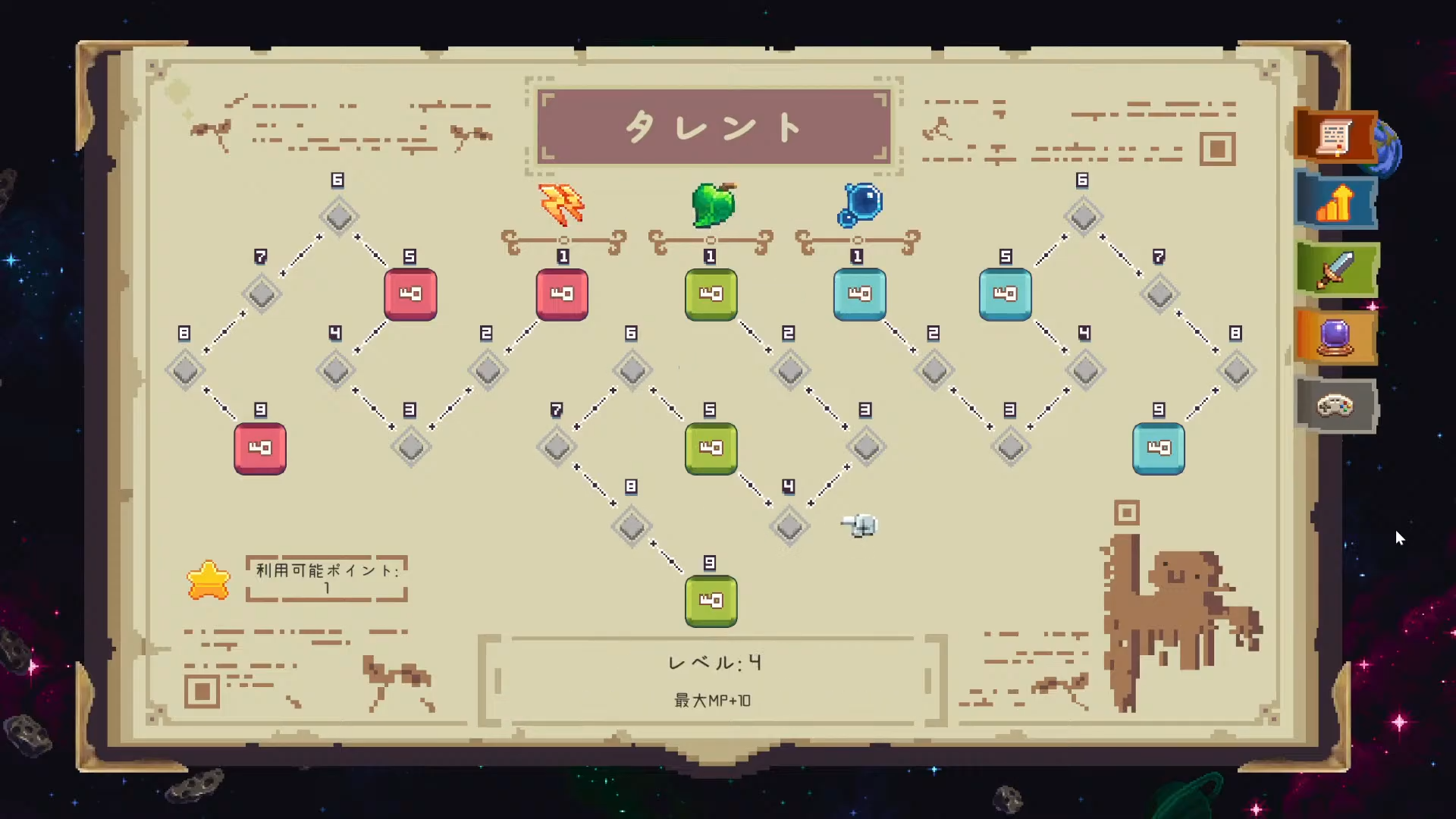
After the boss, the Talent menu opens up for upgrades (the name "Talent" is a localization choice).
I spotted what looked like a lightning magic option and some fire/attack power entries. My approach for early game: prioritize damage.
That said, what each option actually does isn't super clear, and the full system is still unconfirmed. Going with attack-related options first seems like a safe enough bet for now.
Wall-Jump and Bomb Mechanics Kick In
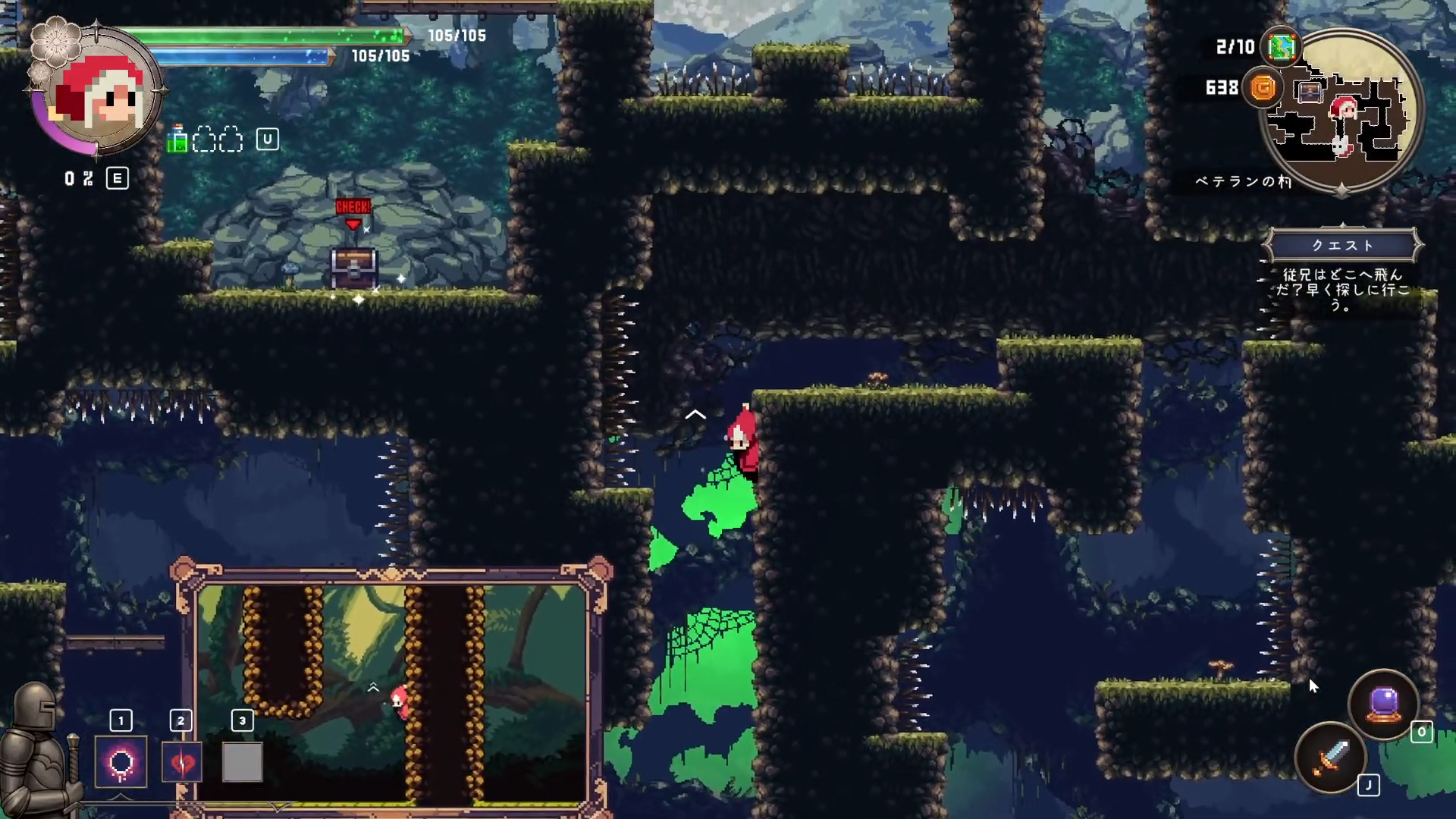
After the slime boss, the platforming ramps up. Wall-jumping (or wall-climbing) becomes necessary, and spike traps appear — one hit and you take damage.
Bomb mechanics also become central here. Light a bomb, it explodes, and enemies take damage. So do you, though, so get clear of the blast radius fast.
One nice touch: defeating enemies sometimes restored HP. That makes clearing rooms while low on health a viable recovery option — at least based on what I saw.
Mystery Boss: Face-Shaped Slime (Name TBC)
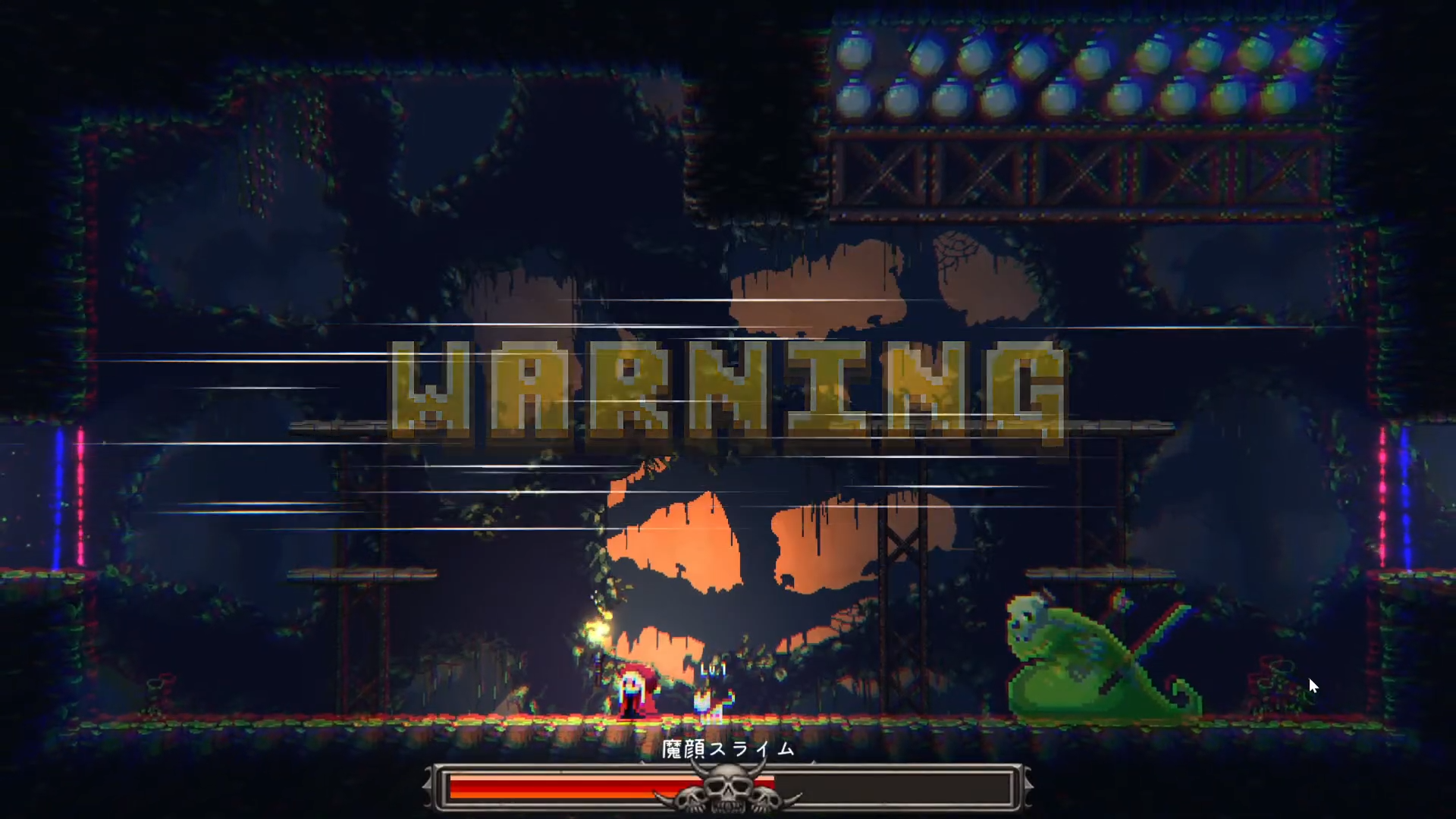
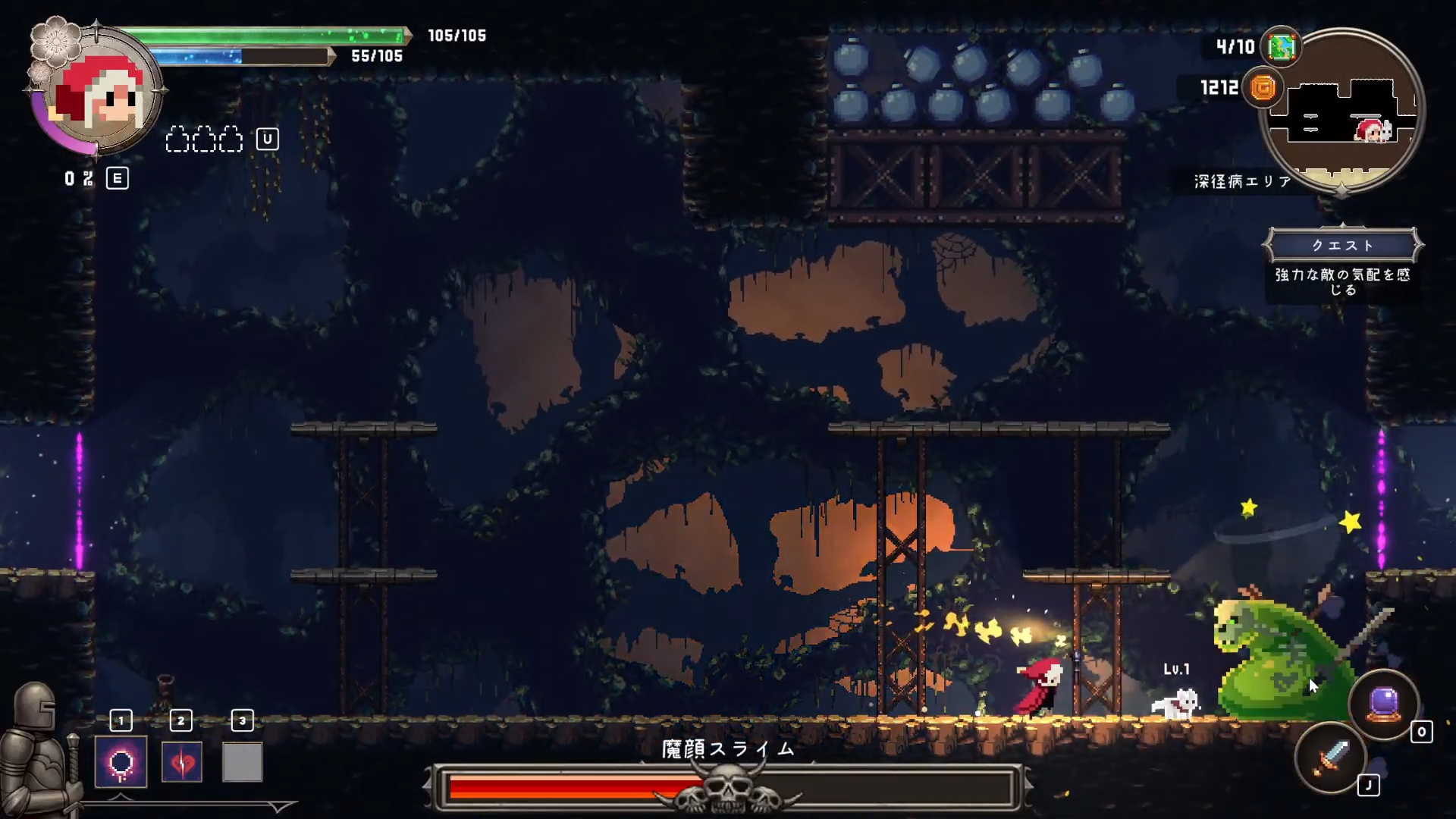
The next boss — I've been calling it the Face Slime or Demon Face (in-game name unconfirmed) — has a lot going on.
Attack roster:
- Dash attack: Fast horizontal charge
- Close-range spear strike: Hits if you get too close
- Poison field: Lays down a toxic zone
- Homing projectile: Follows you
- Rapid explosions: Chains of blasts
The homing attack is the nastiest — running alone won't save you.
What worked for me: use the edges of the screen. When the boss hits the wall it stuns briefly, and that's your opening. Keep your distance, lure it into the walls, punish on stun. At least that's how it felt — anecdotal.
After the fight: received a Potion Fragment.
Axe Unlocked — Slow but Hits Hard
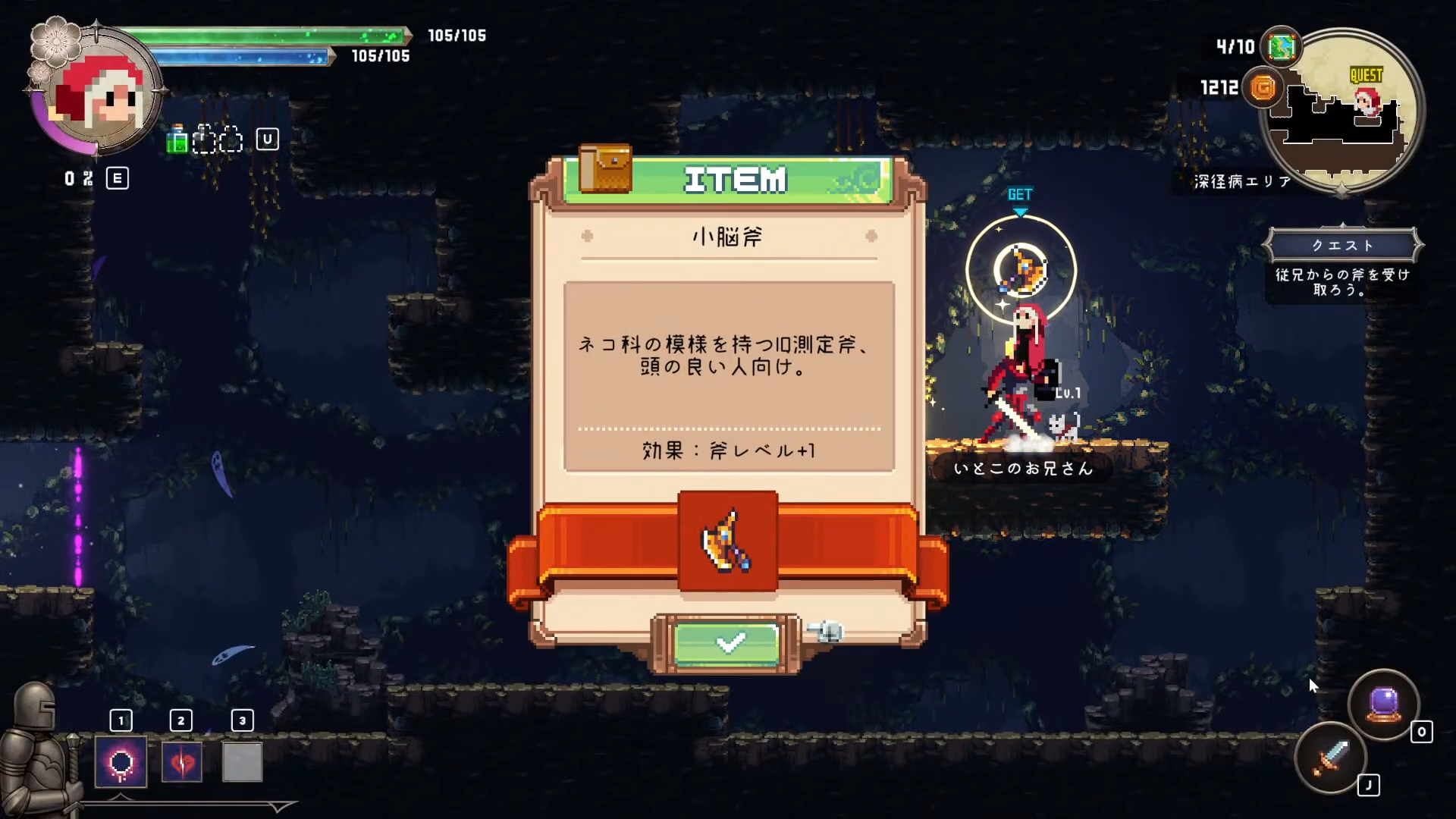
Post-boss loot: an axe.
Compared to the starting sword, it's noticeably slower to swing — but the single-hit damage feels meaningfully higher. Classic trade-off.
Definitely want to try the axe's skills and upgrades in the next session.
Reached the Adventurer's Camp — Upgrades and Shopping
Cleared the underground stage and returned to the surface.
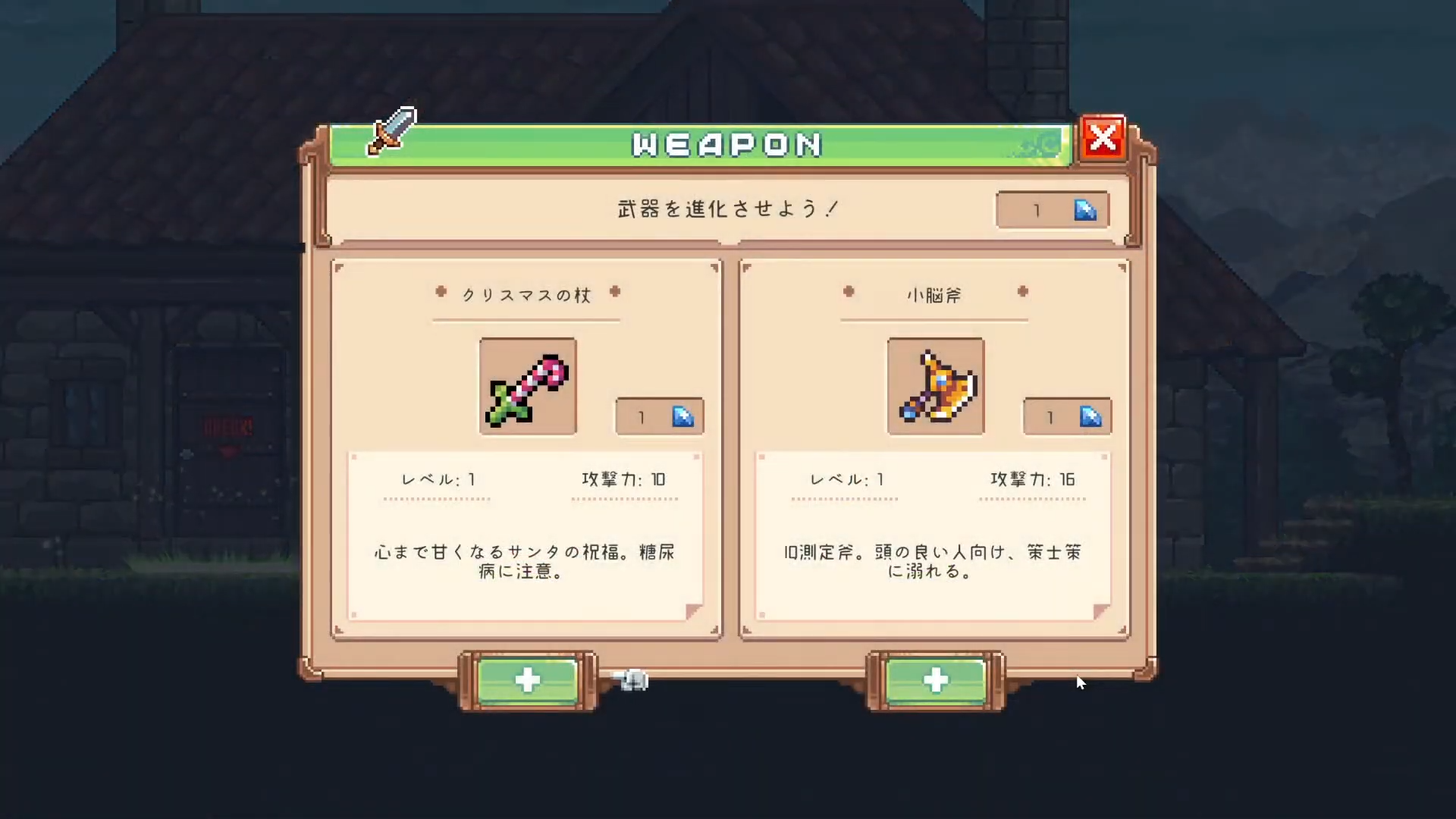
Next stop: the Adventurer's Camp, which serves as the hub area. Available here:
- Blacksmith: Weapon upgrades
- Merchant: Item shop
Diamonds look like the upgrade material to watch for.
I also picked up Glasses somewhere along the way, but their purpose is completely unclear. Probably worth investigating next time.
The demo doesn't open any further stages past this point.
NPC design is notably expressive — female characters lean toward a more stylized, sexualized look, which may not be for everyone, but there's no shortage of character in this world.
Wrap-Up: Rough Around the Edges, but the Action Is Serious
Today's summary:
- Pixel art and animations are polished — the action side is clearly the priority
- Localization is rough, but the Japanese pop culture references land in a fun way
- Slime boss hits harder than expected early on; keyboard controls raise the difficulty
- Face Slime boss: wall-stun tactic worked well (anecdotally)
- Axe unlocked — slower swing speed, but the damage feels higher
- Adventurer's Camp reached — weapon upgrades and shopping confirmed
Next time: testing the axe's skills and upgrades, exploring the full talent tree, figuring out what the Glasses do, and checking what Diamonds are used for. Stay tuned.
Tips from This Session
Use magic or ranged attacks on flying bat enemies
Vertical attack range feels very limited, making airborne bats hard to deal with up close. Switching to magic or ranged options saves a lot of frustration.
Slime boss: react to the drop, don't anticipate it
Moving too early tends to dodge into the attack. Waiting for the drop animation before moving felt more consistent.
Face Slime: use the screen edges to trigger wall stuns
Lure the boss toward the walls. When it hits, there's a brief stun window — that's your best chance to deal damage. The wall also helps block homing projectiles.
Bombs hit you too — get out of range immediately
Bombs deal solid damage to enemies, but the self-damage is real. Trigger and move away fast.
Early talents: lean toward attack upgrades
The full talent tree is still unclear, but prioritizing damage-related options early felt more stable than investing in defense. Killing things faster tends to be the safer approach — at least so far.
More from this category
[Taskbar Hero / TBH Play Log #8] Torment Complete Clear — Ranger Burst Build and OP Optimization to Defeat the Final Boss
June 14, 2026
[Lost Castle 2 Play Log] First Solo Clear — Ice Build & Shields Took Down the Demon Lord
June 12, 2026
[Taskbar Hero / TBH Play Log #7] Clearing Hell Chapter 3: why Chaos resistance beats armor level every time
June 10, 2026